
Pathways

Welcome to Pathways
Pathways offers specialist programmes for young people with Special Educational Needs and Disabilities (SEND), including those with learning difficulties, physical disabilities and sensory impairments.
Our purpose-built Pathways centre provides a welcoming, inclusive and supportive learning environment. Facilities include accessible kitchens, specialist classrooms, a sensory room, an independent living flat, performance spaces and a movement studio, enabling students to develop skills for greater independence and preparation for adulthood.
Students follow personalised learning programmes designed to build confidence, communication, independence, wellbeing and employability skills. Learning takes place within the Pathways centre, across the wider college campus and in the local community.
There are no formal entry requirements. Following an application, students will be invited to attend an interview to help identify the most suitable programme and support arrangements.
Programmes can be delivered for up to 16.5 hours per week, usually across three days.
Class sizes are small, allowing students to benefit from tailored support, specialist teaching approaches and opportunities to achieve their individual goals and aspirations.
PATHWAYS PROGRAMMES
You can view the Pathway Programmes here

Preparing for Adulthood
Pathways programmes are designed to support students in developing the knowledge, skills and confidence needed for adult life. Learning focuses on the four key areas of Preparation for Adulthood: independent living, employment, good health and wellbeing, and community inclusion.
Students develop practical skills that increase independence, build confidence and promote positive social and emotional wellbeing. English and maths are embedded throughout the curriculum to ensure skills are relevant and meaningful in everyday life.
Work-related learning forms an important part of the programme, with opportunities for students to participate in work experience, employer encounters, enterprise projects and community-based activities. These experiences help students develop employability skills and explore future career aspirations.
Each student follows a personalised programme with individual targets linked to their Education, Health and Care Plan (EHCP) outcomes and longer-term goals. Progress is monitored and celebrated through the Recognising and Recording Progress and Achievement (RARPA) process, ensuring students can demonstrate the skills and achievements they gain throughout their learning journey. Where appropriate, students may also work towards accredited qualifications.
Students progress to a range of positive destinations, including further study, Supported Internships, supported employment, volunteering, community participation and independent living opportunities.
Tuition fees are waived for students aged 16-18 and for young people with an EHCP. Financial support may also be available to help with course-related costs, and eligible students may qualify for free college meals. Additional charges may apply for some activities, visits or specialist resources.

Accessible Kitchens
Our specialist teaching kitchen is designed to promote independence and develop practical life skills. The fully accessible space includes adapted workstations, a height-adjustable sink and cooker, and specialist equipment to support a wide range of individual needs. Students use the kitchen to build confidence in food preparation, healthy living and everyday independent living skills.
Sensory Room
Our purpose-built sensory room provides a calm, supportive and engaging environment where students can explore and regulate their sensory needs. Equipped with specialist lighting, tactile resources, sound and visual stimulation, the space can be tailored to individual preferences and sensory profiles. For learners with Profound and Multiple Learning Difficulties (PMLD), the sensory room offers valuable opportunities to develop communication, engagement, sensory awareness and emotional wellbeing. Sensory activities can support relaxation, reduce anxiety, encourage interaction and help students make sense of the world around them through meaningful sensory experiences. The sensory room also provides a safe space for students to regulate, preparing them to participate successfully in learning and daily college life.

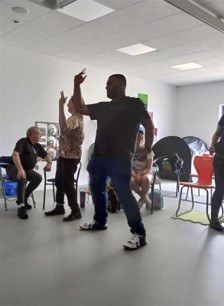
Movement and Music Studio
Our Movement Studio provides a flexible and inclusive space where students can develop physical skills, confidence and wellbeing through movement, music and sensory-based activities. The studio is used for a range of sessions including dance, exercise, relaxation, drama, sensory movement and therapeutic activities that encourage participation and self-expression. Music plays an important role in supporting communication, emotional wellbeing and engagement. Students have opportunities to explore rhythm, sound, instruments and musical activities as a means of developing creativity, interaction and self-confidence. For learners with complex needs, music and movement can provide valuable opportunities for communication, sensory exploration, physical development and enjoyment. The studio offers a safe and supportive environment where students can improve coordination, mobility, social interaction and emotional regulation while celebrating their individuality and achievements.
Sensory Dark Room
Our sensory dark room provides a low-stimulation environment where lighting, sounds and sensory experiences can be carefully controlled to meet individual needs. Equipped with specialist sensory resources such as fibre optic lighting, projection equipment and interactive sensory activities, the room offers a calm and engaging space for learning, relaxation and sensory exploration. The sensory dark room is particularly beneficial for learners with Profound and Multiple Learning Difficulties (PMLD), complex needs and sensory processing differences. It supports communication, engagement, cause-and-effect learning, emotional regulation and sensory development through meaningful multi-sensory experiences. The space can be used to reduce anxiety, promote wellbeing and create opportunities for students to interact with their environment in a safe, enjoyable and personalised way.

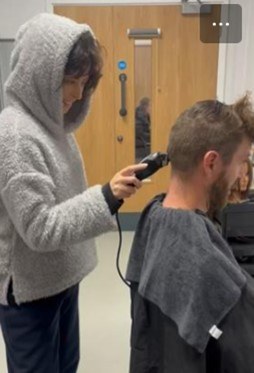
Hairdressing Studio
Our fully equipped Hairdressing Studio provides students with opportunities to develop practical skills, confidence and independence in a realistic working environment. Students can participate in activities linked to personal care, grooming, customer service and employability, developing transferable skills that support preparation for adulthood and future employment opportunities. The salon environment encourages communication, teamwork and social interaction while helping students build confidence through meaningful, hands-on experiences. For many learners, the studio provides an opportunity to explore vocational interests, develop work-related skills and engage in activities that promote independence and personal wellbeing.
Common Room and Student Café
The Common Room is a welcoming social space where students can relax, build friendships and develop important social and communication skills. It provides opportunities for students to take part in group activities, enjoy breaks and lunches, and practise the skills needed to interact confidently and appropriately with others. Students also have opportunities to help run the student café, developing valuable employability and independent living skills in a realistic setting. Activities may include serving customers, handling food and drinks, managing stock, operating equipment, working as part of a team and providing excellent customer service. The Common Room and café help students develop confidence, responsibility and independence while encouraging community participation and preparation for adulthood.
Get in touch with Pathways
If you would like to find out more about our pathways provision, please ring 01983 526 631 or email Pathways using the form below
-

Pathways - Lifeskills And Independent Living
- Qualification
- Entry Level
- Study Type
- Full Time